Interior lighting, layered design
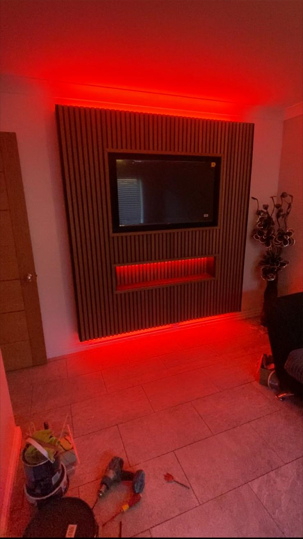
Good interior lighting layers three things: ambient (general room light), task (over worktops, desks, mirrors) and accent (feature lighting on architecture, art, feature walls). Getting all three on the same switch is the number one mistake we're called out to fix. We design separate control zones from the outset, normally on smart dimmers or scene-controllable switches, so a kitchen can be full-bright at 6pm and low ambient by 10pm without you touching a lamp.
Exterior, security & driveway lighting
Exterior fittings must be correctly IP-rated (IP44 minimum for exposed installs, IP65+ for direct weather). PIR-controlled security lighting for drives and rear gardens, low-voltage garden feature lighting for planted areas and paths, and dusk-till-dawn wall lights for entrances. Every exterior circuit is RCBO-protected and tested to BS 7671 outdoor requirements.
Commercial and emergency lighting
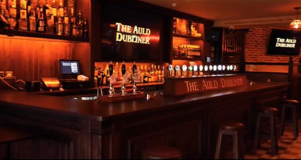
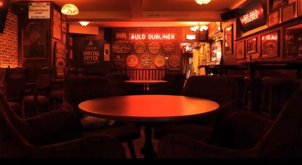
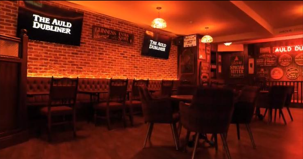
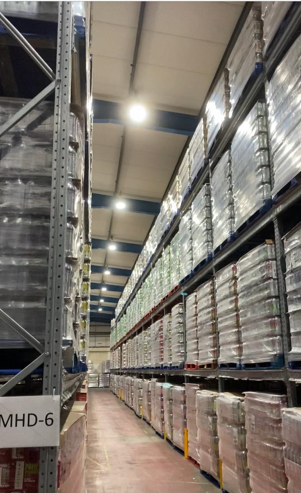
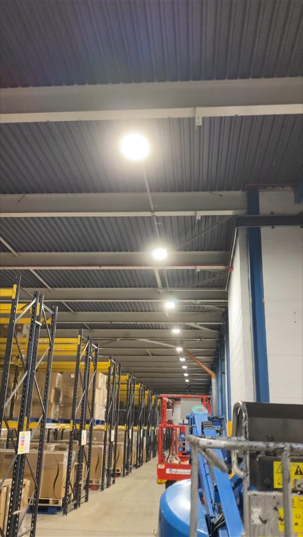
Commercial lighting covers office LED refits (lux-calculated for workspaces), retail feature lighting, hospitality mood lighting with DALI or scene control, and BS 5266 emergency lighting. Emergency lighting is installed on maintained or non-maintained fittings depending on the space, with 3-hour battery duration, monthly function tests and annual full-duration tests, all documented in the site's fire log book.
Residential vs commercial, where it differs
Residential lighting design is about how the space feels and functions across the day. Commercial lighting is about lux levels for the task (offices ~500 lux, retail higher on displays), compliance (emergency lighting, escape routes), and running cost across a large fit-out. Fittings are typically higher-output, controls are DALI or DALI-2 rather than domestic dimmers, and every install includes lux verification against the design brief.